
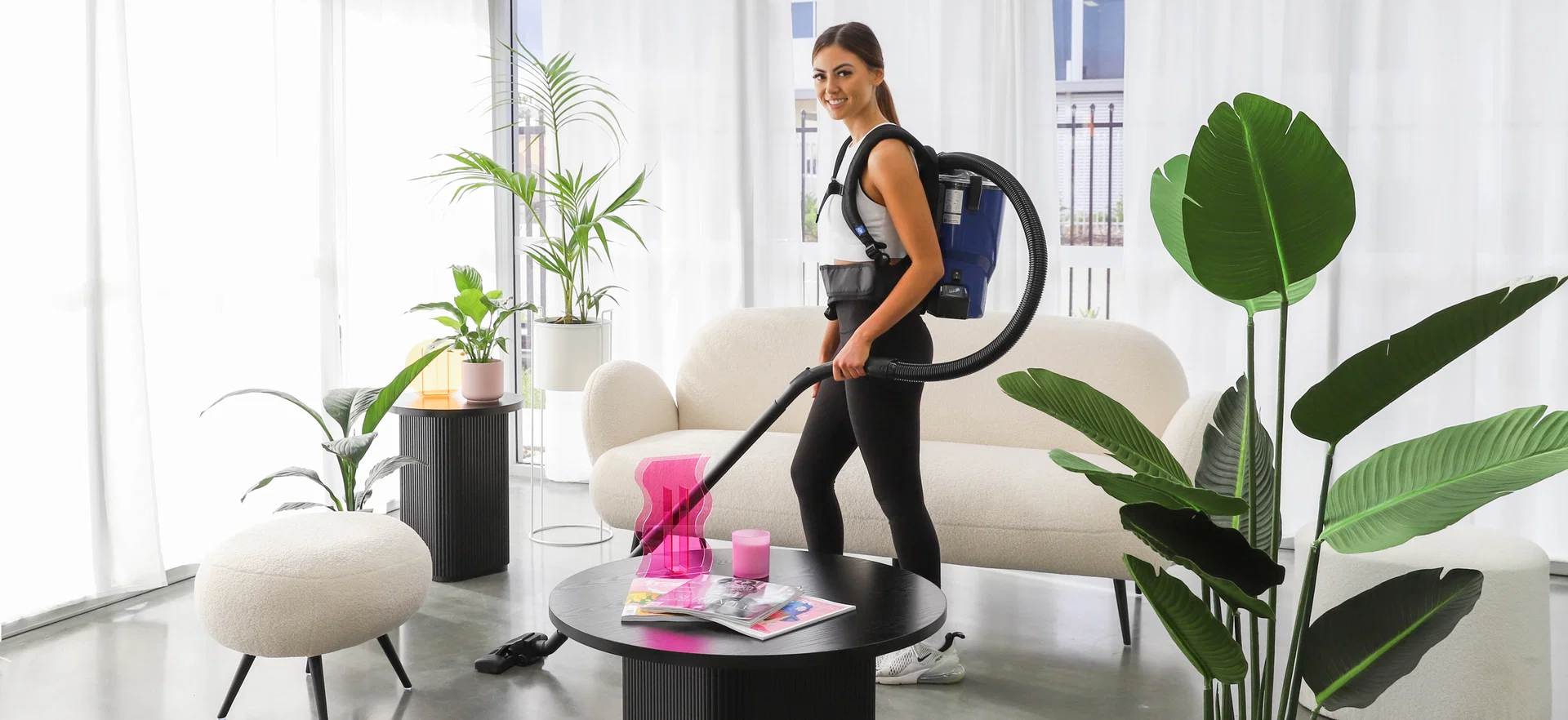
Vacuum cleaners have become an indispensable tool in maintaining a clean and healthy home environment. To optimize their performance, understanding the role of filters in these machines is crucial. Filters for vacuum cleaners do more than just trap dirt and dust; they also play a key role in improving indoor air quality by capturing allergens, pollutants, and microscopic particles. With various types of filters available, including HEPA, foam, and carbon filters, it’s important for consumers to know which ones best suit their needs.
In this article, we’ll explore the different types of vacuum cleaner filters, their unique features, and how they impact the efficiency and effectiveness of your cleaning routine. Additionally, we’ll provide insights on maintenance and replacement guidelines to ensure your vacuum operates at peak performance, enhancing your cleaning experience while promoting a healthier living space.
Types of Vacuum Cleaner Filters
There are several types of vacuum cleaner filters, each designed to meet specific cleaning needs. HEPA filters are highly effective in trapping small particles, making them ideal for households with allergy sufferers or pets, as they can capture allergens such as pet dander and pollen. Foam filters, on the other hand, are often washable and reusable, making them a cost-effective option. Carbon filters are excellent for eliminating odors, which can be particularly beneficial in kitchens or spaces where food is prepared. For those looking to enhance their vacuum’s performance, opting for the right Filters For Vacuum Cleaners is essential.
:max_bytes(150000):strip_icc()/how-to-clean-a-vacuum-filter-5217137-04-8da1b28a6a6d4b36af8215294813b38a.jpg)
Maintenance and Replacement Guidelines
Proper maintenance of vacuum filters is key to ensuring long-lasting performance and efficiency. Regularly checking and cleaning filters can prevent clogs and maintain suction power, while filter replacement should be performed according to the manufacturer’s recommendations, typically every 6 to 12 months. Neglecting filter upkeep can result in decreased filtration efficiency and a less effective vacuuming experience. By being proactive about filter care, homeowners can sustain a cleaner environment and prolong the life of their vacuum cleaner.
In conclusion, the right filters for vacuum cleaners are essential not only for effective cleaning but also for maintaining healthy air quality within the home. Understanding the specific functions of HEPA, foam, and carbon filters allows consumers to choose the best option tailored to their unique needs and preferences. Additionally, consistent maintenance and timely replacement of these filters are crucial to optimize the vacuum’s performance and ensure it continues to effectively trap dust, allergens, and odors. By prioritizing filter care, individuals can enhance their cleaning routines and contribute to a healthier living space, making their investment in a vacuum cleaner truly worthwhile.