
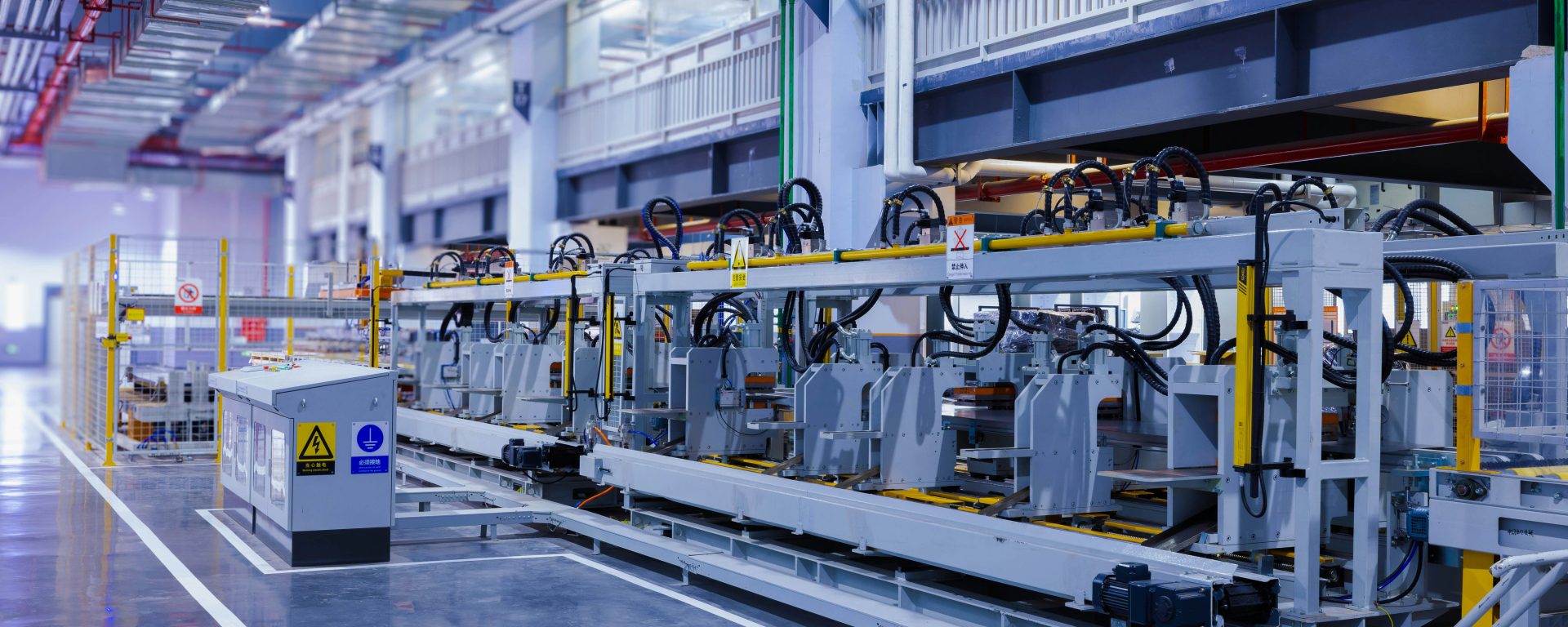
Mexico has emerged as a vital player in the global manufacturing landscape, drawing attention for its strategic advantages and robust industrial capabilities. With a unique geographic location neighboring the United States, coupled with a wealth of natural resources and a skilled labor force, the country has positioned itself as an attractive hub for manufacturing operations. The combination of free trade agreements, such as the United States-Mexico-Canada Agreement (USMCA), has further bolstered its appeal by facilitating seamless trade and investment opportunities for both domestic and international businesses.
The Mexican manufacturing sector is characterized by a diverse array of industries, including automotive, electronics, aerospace, and textiles, each contributing significantly to the country’s economy. As manufacturers pivot toward advanced technologies like automation and smart manufacturing, Mexico is also evolving to meet the demands of Industry 4.0. This article delves into the various facets of Mexico’s manufacturing scene, exploring its growth trends, challenges, and the transformative changes shaping the future of production in the region.
Industry Diversification and Growth
The automotive sector has traditionally been a cornerstone of Mexico’s manufacturing prowess, accounting for a significant portion of its exports and employment. Major global car manufacturers have established production facilities in the country, attracted by competitive labor costs and proximity to the U.S. market. However, the manufacturing landscape is evolving, with diversification into electronics, aerospace, and medical devices becoming increasingly prominent. As businesses adapt to the rapid advancements in technology, Mexico’s capability in smart manufacturing and automation positions it as a formidable contender in the global supply chain. For a deeper understanding of these trends, explore Manufacturing in Mexico, which highlights the dynamic sectors contributing to the nation’s economic growth.
Challenges and Innovations
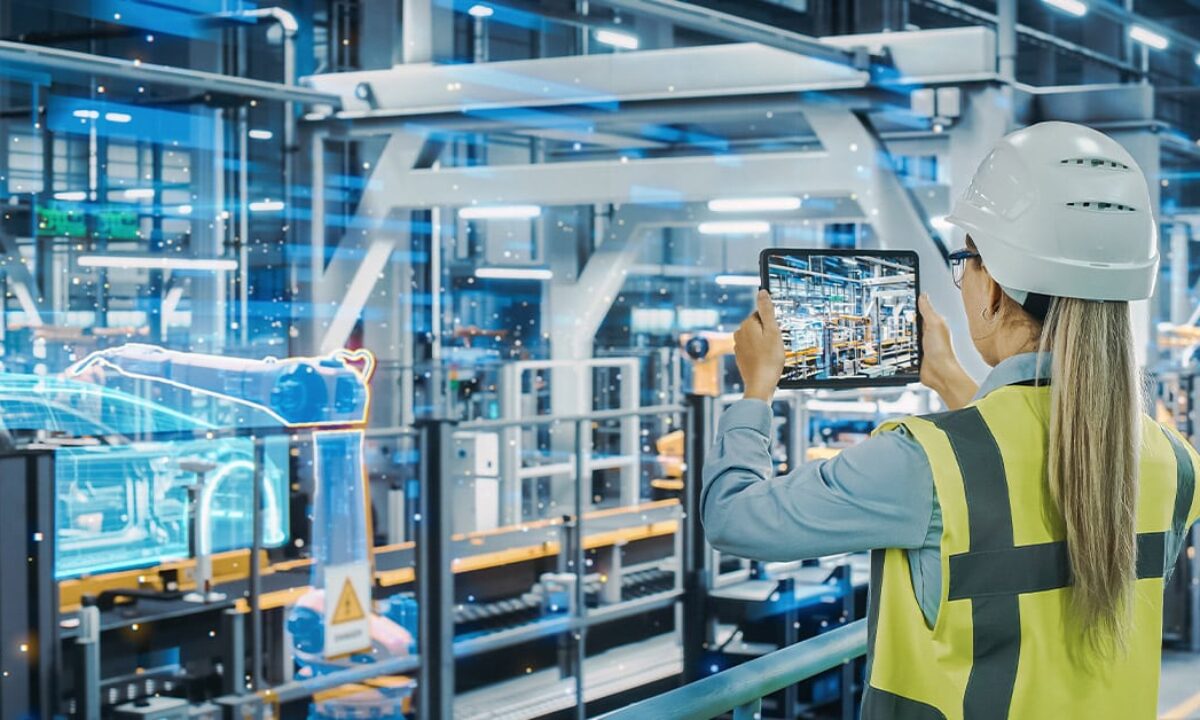
Despite its attractive advantages, the Mexican manufacturing sector faces challenges such as infrastructure deficiencies, regulatory hurdles, and security concerns. To combat these issues, companies are investing in sophisticated technologies and practices to streamline operations and enhance productivity. This innovation is not only essential for competitiveness but also for attracting foreign investment. As manufacturers embrace new methodologies, the focus on sustainability and environmental considerations is also gaining momentum, indicating a shift towards more responsible industrial practices. With these ongoing transformations, Mexico is poised to maintain its relevance in the ever-evolving global manufacturing arena.
In conclusion, Mexico’s manufacturing sector stands at a pivotal juncture, characterized by both substantial opportunities and notable challenges. As the country continues to diversify its industrial base and embrace technological advancements, it is well-positioned to capitalize on the increasing demand for high-quality products in a rapidly changing global marketplace. The strategic incorporation of automation and smart manufacturing practices enhances its competitiveness while addressing the pressing need for sustainable practices. However, sustained growth will depend on overcoming existing obstacles, including infrastructure limitations and regulatory complexities. By leveraging its strengths and addressing these challenges head-on, Mexico is set to solidify its status as a key player in the global manufacturing landscape for years to come.